

SBTi opens pilot for power sector net-zero standard
The Science Based Targets initiative is looking for companies in the energy industry to test the practicality and usefulness of the draft framework. Continue reading →
Turing test-inspired tool compares virtual power plants to gas peakers
EnergyHub’s “Huels test” asks whether a grid operator can distinguish between a gas peaker plant and a VPP based on their operational characteristics. To pass, the VPP must match the visibility, “schedulability” and availability of a peaker. Continue reading →
ONE Adds Red Sea-China Loop While Premier Alliance Sticks With Cape Routing
The new service launches in January as insurers, carriers and alliances remain divided on the timing of a broader Red Sea return. Continue reading →
Newly Launched Agentic AI Foundation Brings Together Tech Giants for Open Source AI Development
The Linux Foundation has announced the formation of the Agentic AI Foundation, bringing together Microsoft, OpenAI, Anthropic, and other major tech companies to advance open source development of autonomous AI systems. Continue reading →
IBM to Acquire Data Infrastructure Firm Confluent in AI Push
IBM has agreed to buy data infrastructure company Confluent for $11 billion in cash, marking the technology giant’s largest acquisition in years as it seeks to capitalize on surging enterprise demand for artificial intelligence capabilities. Continue reading →
Oregon Tech Partners with Google Public Sector to Advance Student and Faculty Research
Oregon Institute of Technology recently announced it is collaborating with Google Public Sector to implement Google Cloud’s AI and high-performance computing across the institution. Continue reading →
House reauthorizes FMC and adds to its oversight powers
Along with funding through 2029, the reauthorization codified new responsibilities for the agency under OSRA-22. Continue reading →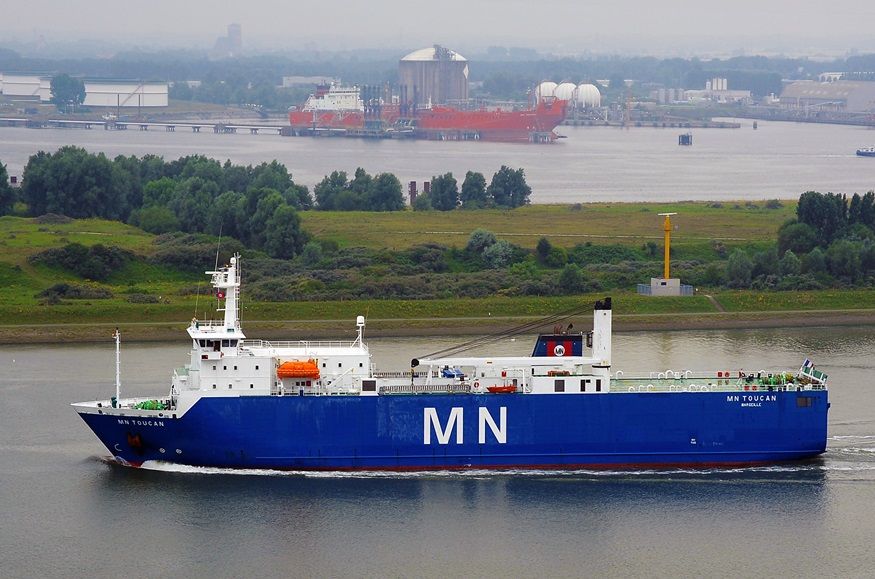
Space logistics newbuilding to service booming project cargo sector
The handling and transportation of space components is opening up new opportunities for project cargo forwarders. Continue reading →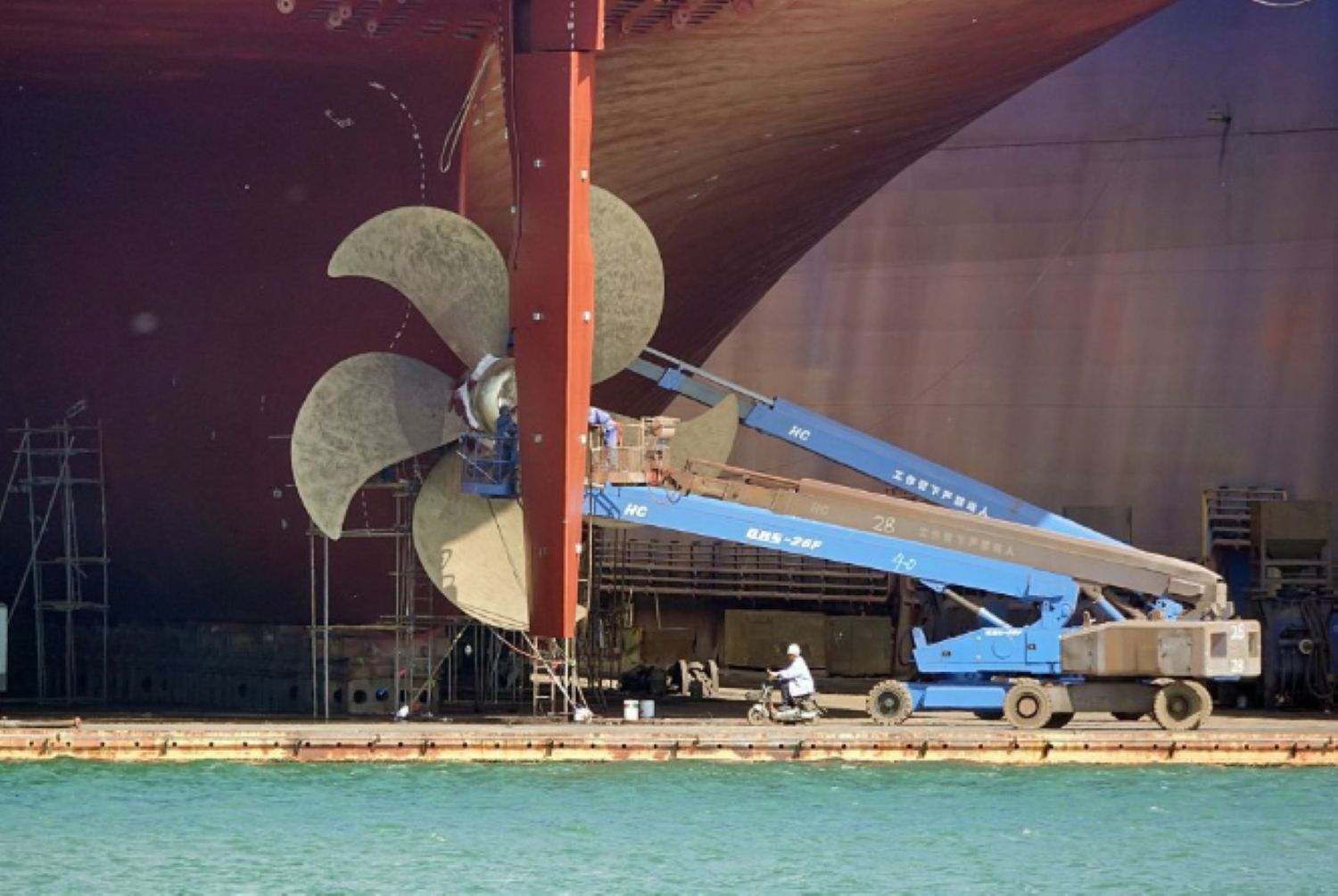
Easing container tonnage delivery in 2026 belies signs of saturation
Unless shipowners significantly postpone or cancel orders, the wallops of new tonnage added in 2027 and 2028 will dwarf the deliveries made this year and next. Continue reading →