
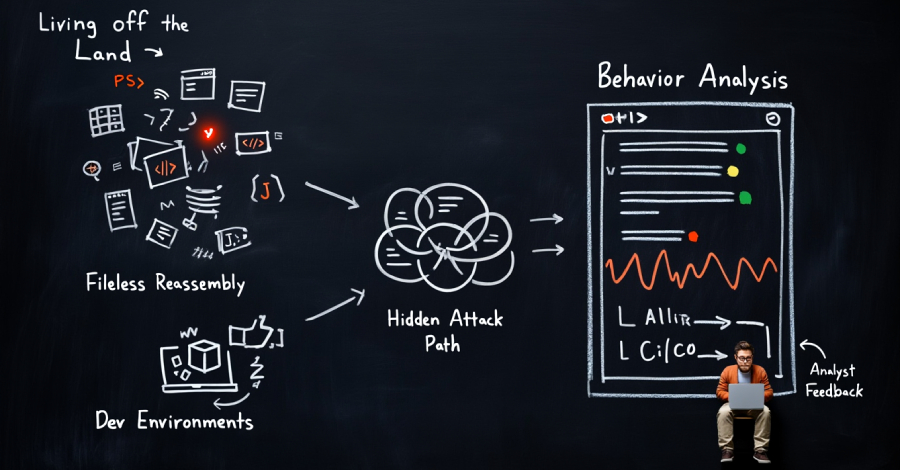
Webinar: Learn How AI-Powered Zero Trust Detects Attacks with No Files or Indicators
Security teams are still catching malware. The problem is what they’re not catching. More attacks today don’t arrive as files. They don’t drop binaries. They don’t trigger classic alerts. Instead, they run quietly through tools that already exist inside the environment —...
Single-donor “lung-on-chip” breathes new life into disease modeling and personalized medicine
A new “lung-on-chip” model, consisting solely of genetically identical cells derived from a single person, has advanced our understanding of tuberculosis, opening the door to personalized treatments. Researchers at the Francis Crick Institute (London, UK) and AlveoliX (Bern, Switzerland) have...
Tiny ultrasound chip tracks blood pressure under the skin
Original story from the Aerospace Information Research Institute, Chinese Academy of Sciences (Beijing, China). A new, implantable, ultrasound-based blood pressure monitoring system represents a promising alternative to conventional tools for continuous, unobtrusive blood pressure measurement....
2025: Top content and our year in review
Before we launch into the new year, we are taking a moment to reflect on 2025, including the rising trends we observed and the new feature types we introduced on BioTechniques.com, before wrapping up with our top content from the year. 2025: Under the microscope 2025 saw a dramatic expansion of...
Compliance Theater: Why Cybersecurity’s Favorite Shakespearean Tragedy is Failing Us
IT security teams, especially the compliance cast, love drama. The slower, more arcane, and less intelligible the script, the louder the applause. Continue reading →
Google Cloud Service Exploited in New Phishing Campaign
A phishing campaign is exploiting this Google service. Continue reading →
The AI Powered Classroom Network of the Future: Because Hackers Never Take Recess
Artificial intelligence is reshaping instruction, cybersecurity threats are becoming more advanced, and digital tools are expanding faster than most districts can keep up with. Continue reading →
Amgen buys protein-degrading startup Dark Blue for up to $840M
The deal hands Amgen a drug that destroys two proteins known to drive certain types of acute myeloid leukemia, a profile that could set it apart from current medications. Continue reading →
Alumis soars as TYK2 drug hits mark in psoriasis trials
Shares more than doubled in value after Phase 3 results suggested Alumis’ pill may compare favorably with other emerging oral options for psoriasis, among them drugs from Takeda and Johnson & Johnson. Continue reading →